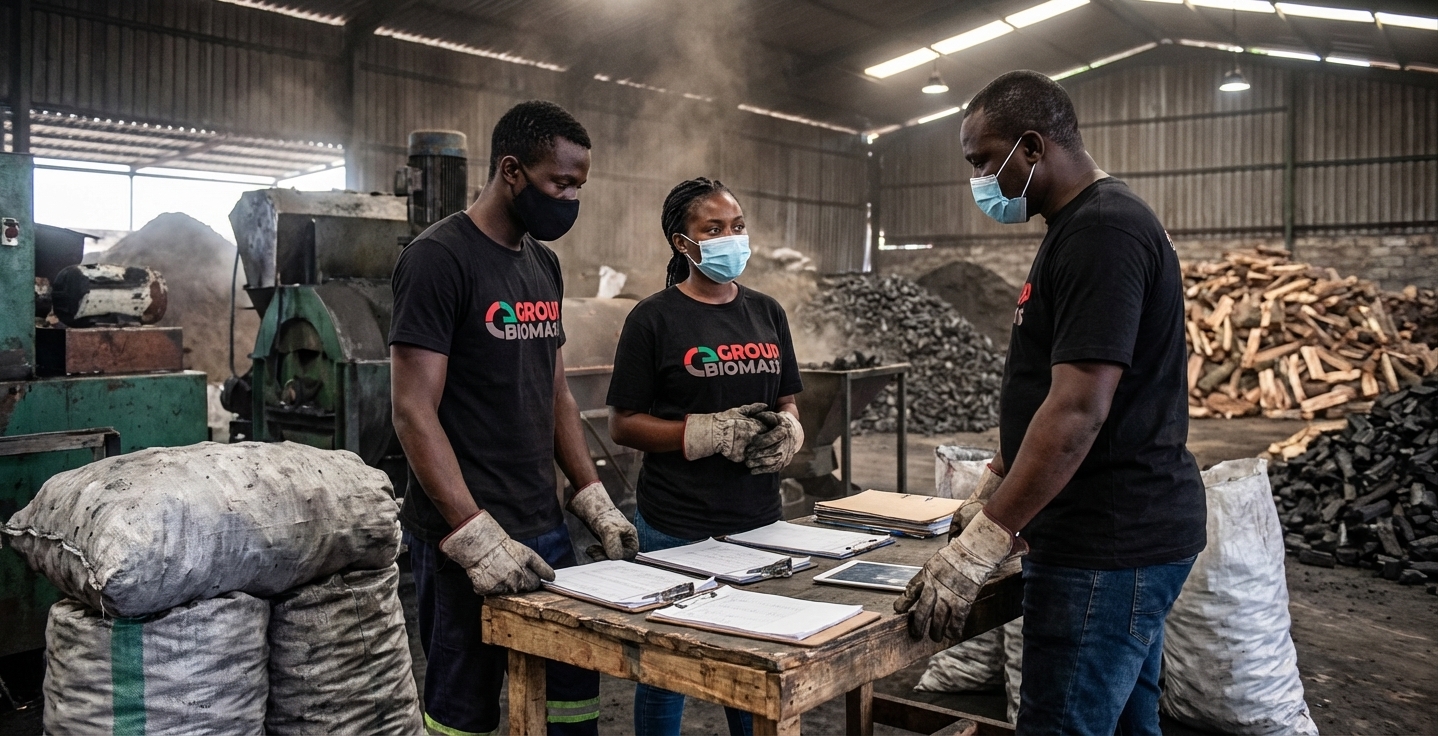
Deep within Cameroon , a massive operation stands as a representation to the rising demand for biomass. This production complex, reportedly the nation’s biggest fuel plant , is attracting attention for both its scale and the evident environmental consequences . While providing jobs for nearby communities, the plant’s activities are sparking debate about ethical forest harvesting and the future preservation of Cameroon’s woodlands .
Premium Lump Charcoal Export Boom: The Rising Star
Cameroon is experiencing a remarkable surge in dense lump carbon shipments, positioning itself as a key source in the global industry. Thanks to growing demand from European US and Pacific regions, the nation’s production of this eco-friendly fuel is quickly expanding, offering valuable prospects for local communities and boosting the country's economy. The emphasis on sustainably sourced hardwood lump charcoal is demonstrating to be a major factor in attracting international buyers.
Inside Cameroon’s Hardwood Lump Charcoal Factory: Production & Sustainability
Stepping within a common Cameroon timber lump carbon factory reveals a remarkably straightforward process of manufacturing. Untreated wood, often collected from responsible areas, are meticulously felled and moved to a kiln. Here, the lumber is slowly burned with restricted oxygen, a technique that changes it into piece charcoal. Despite the traditional methods used can be difficult, more new factories are integrating better systems and trying options to boost both output and ecological sustainability. This covers allocating in website clean resources and applying rigorous debris control approaches.
The Charcoal Sector : A Significant Contributor in Worldwide Exports
Despite mounting environmental concerns , Cameroon’s charcoal sector remains a surprising but vital contributor in the global sales market . The production of charcoal from forest biomass is a essential source of income for countless of local communities, particularly in rural zones. This operation generates a substantial amount of charcoal heading for overseas markets , often fueling cooking needs in other countries , though this reliance creates problems relating to forest loss and responsible tree stewardship .
Le Choix Entre Charbon de Bois En Bloc en Bois Dur vs. Les Briquettes Une Perspective Camerounaise
En Cameroun, , le décision entre le combustible de bois dur en bloc et les briquettes soulève une matière. Classiquement, , le charbon de bois a toujours été préféré en son saveur typique et son aptitude de produire une chaleur élevée , appropriée pour les grillades régionales. Toutefois, des briquettes , davantage pratiques à obtenir et moins abordables, attirent en popularité , surtout chez les zones modernes.
Green Charcoal Making : The Outlook of Cameroon's Forest Industry
The traditional method of charcoal creation in Cameroon presents a serious threat to its valuable hardwood timberlands. However, innovative sustainable techniques offer a viable path forward. These encompass technologies like biomass waste gasification and kiln-less earth ovens , which reduce deforestation, cut emissions, and provide livelihood opportunities for local communities . Embracing these eco-friendly methods is critical to protecting Cameroon's natural heritage and securing the long-term viability of its hardwood sector while mitigating climate concerns.
Comments on “Cameroon’s Colossus Unveiling the Region’s Biggest Fuel Plant ”